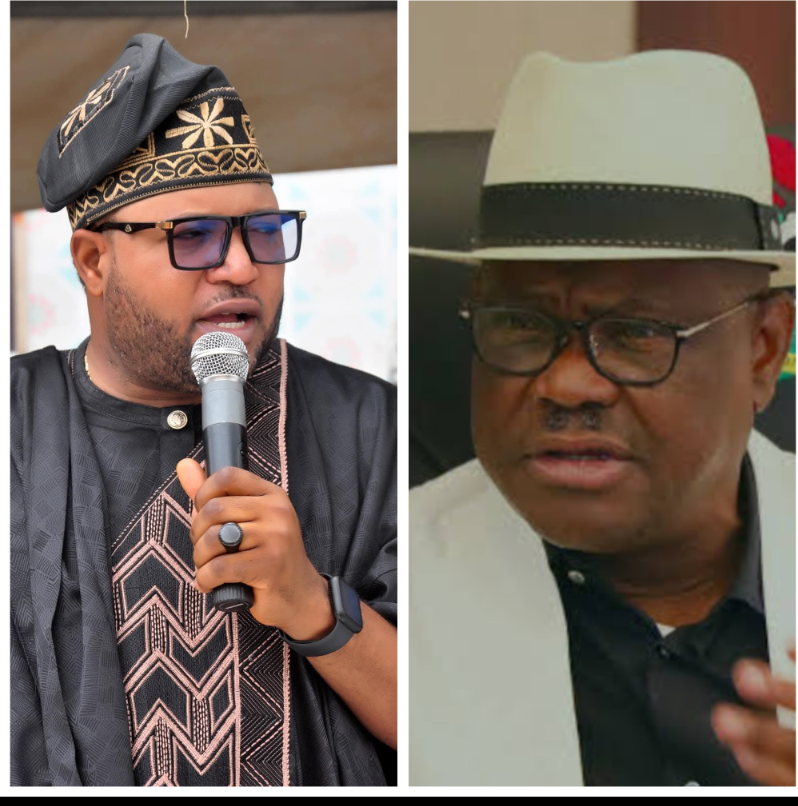
The former Commissioner for the Public Complaints Commission (PCC) representing the FCT, Comrade Ezekiel Musa Dalhatu, has called on the FCT Minister, Nyesom Wike, to revoke land allocations within the existing indigenous communities to safeguard the culture and identity of the territory’s natives.
Speaking as the keynote speaker at the annual Gbagyi Cultural Festival in Bwari, Dalhatu said several indigenous communities are on the verge of losing their heritage due to rapid urbanization driven by land allocations to individuals.
He noted that many FCT communities have existed for thousands of years but are being wiped away, leaving the people without a sense of place or identity.
He said, “There is no part of the FCT that was not an existing community long before the territory was created. How then can you wipe them away as if they have no identity or belong nowhere?” he asked.
Dalhatu pointed out that while the FCT was established in 1976 and became functional in 1979, the planning should not have ignored pre-existing settlements.
He described the allocation of lands atop existing communities as “inhumane, archaic, and primitive,” urging the government to reverse such actions.
“Without these communities, how do you define a people’s identity? You can boldly say you are going to Ushafa because there is a community there with a culture and history. If you remove Ushafa, where do those people belong?” he argued, adding that cultural identity is a key pillar of national development.
Also speaking at the event, the Member of the House of Representatives for the AMAC/Bwari Federal Constituency, Chinedu Obika, expressed concern that urbanization might swallow the identity of the FCT’s original inhabitants.
He urged natives to be deliberate in preserving their culture and blamed FCT stakeholders and the political class for failing to defend their people’s interests.
He said, “It is regrettable that whenever there are National Assembly hearings on matters affecting the natives, you often don’t see the stakeholders or the political class. This is wrong.”
He stressed that progress is impossible without unity among the FCT’s political class, regardless of tribe, religion, or political affiliation.He questioned how often FCT leaders—including senators, representatives, local government chairmen, and mandate secretaries—have united with traditional chiefs to present the challenges of original inhabitants to the President.
The lawmaker concluded that the issues facing the natives require a collective political solution.In his remarks, the Esu of Bwari, HRH Ibrahim Yaro (JP), said the annual Gbagyi Cultural Festival is designed to showcase the rich heritage of the Gbagyi people.