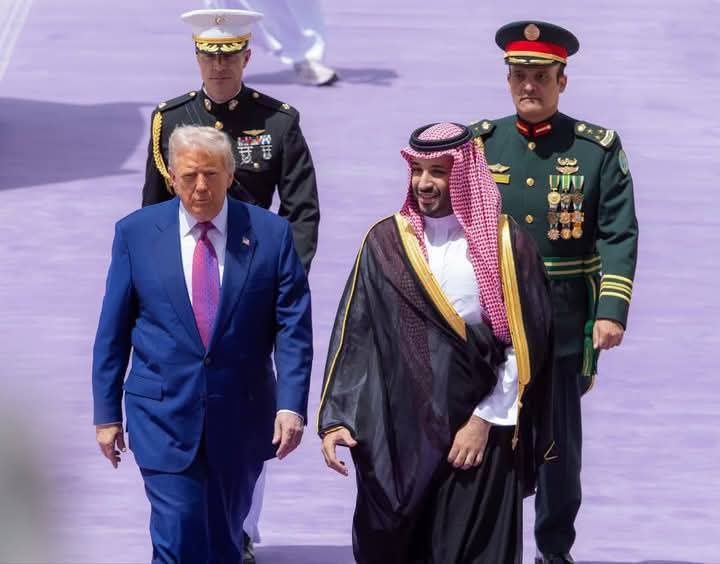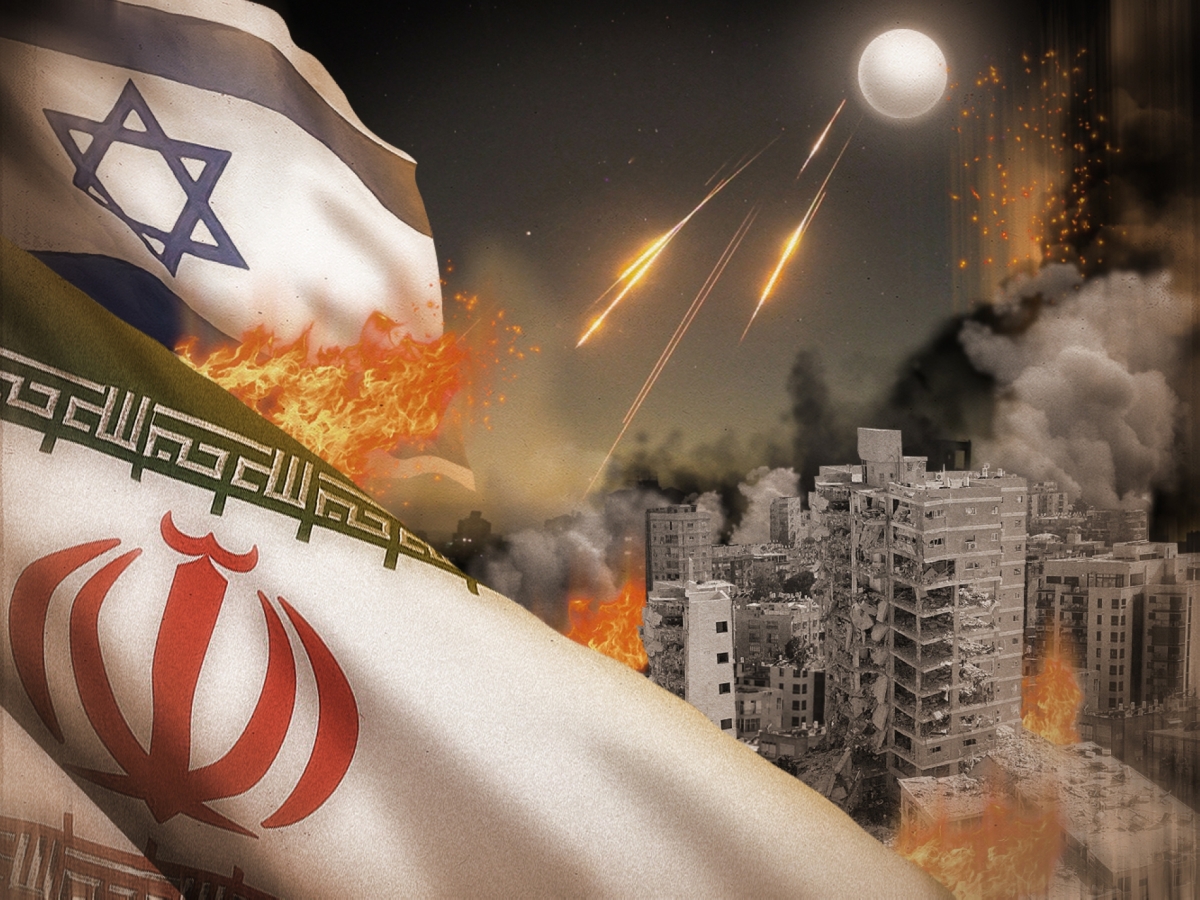
In a significant diplomatic move, Iran has reached out to regional powers, including Qatar, Saudi Arabia, and Oman, to urge President Donald Trump to pressure Israel into agreeing to an immediate ceasefire.
This development comes amid escalating tensions between Iran and Israel, with both countries engaging in a series of military strikes.
According to sources familiar with the matter, Iran’s foreign ministry has been in close contact with its counterparts in the Gulf region, requesting their assistance in conveying a message to the Trump administration.
The Iranian government is seeking a ceasefire agreement that would halt all hostilities between the two nations.In exchange for a ceasefire, Iran has indicated its willingness to show flexibility in nuclear negotiations with the United States.
This could potentially involve a temporary halt in uranium enrichment, increased transparency, and more robust oversight by the International Atomic Energy Agency (IAEA).Oman, which has long served as a mediator between Iran and the United States, is reportedly working on a draft ceasefire proposal aimed at reviving nuclear talks between the two nations.
The proposal is expected to be discussed during upcoming meetings between US and Iranian officials.
Regional powers, including Qatar and Saudi Arabia, have expressed deep concern over the escalating conflict between Iran and Israel, warning that it could spiral out of control and have far-reaching consequences for the entire Middle East.
These countries are urging the United States to use its influence to push Israel toward a ceasefire agreement.
The Iranian government’s outreach to regional powers reflects a growing recognition of the need for diplomatic solutions to the conflict.
As tensions continue to simmer, the international community is holding its breath, hoping that a peaceful resolution can be found before the situation escalates further.
The United States has reiterated its support for Israel’s right to defend itself, while also calling for calm and restraint.
President Trump has publicly urged Iran to “make a deal,” but his comments have been met with skepticism in Tehran, where many view the US president’s stance as biased in favor of Israel.
As the situation continues to unfold, one thing is clear: the fate of the Middle East hangs in the balance, and the need for a peaceful resolution to the conflict between Iran and Israel has never been more pressing.